Laser Cut Round Number Puzzle SVG: A Practical Guide to Avoiding Common Pitfalls
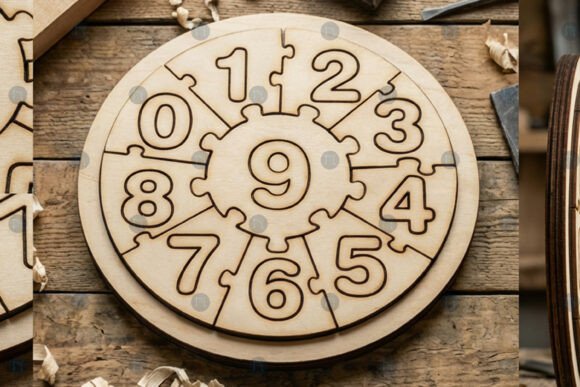
When it comes to laser cutting and digital design, the Laser Cut Round Number Puzzle SVG stands out as a versatile and engaging project. It combines geometric precision with playful functionality, making it ideal for hobbyists, educators, and makers looking to create interactive décor or educational tools. The design features numeric puzzle elements arranged in a circular format, often previewed in a realistic 3D mockup style. While the concept is simple, successfully implementing it requires attention to detail, especially when considering compatibility, customization, and intended use.
Understanding the Design and Its Uses
The Laser Cut Round Number Puzzle SVG is more than just an aesthetic file — it's a functional design meant for precise cutting and assembly. Users often incorporate it into projects like children's learning tools, wall art, or custom gifts. The circular layout allows for a tactile and visual experience, especially when each number segment can be manipulated or rearranged.
Because it's available in multiple file formats — including AI, EPS, SVG, DXF, and PNG — the design is compatible with various cutting and engraving machines like Cricut, Glowforge, and CNC routers. This flexibility makes it a popular choice among both beginners and experienced makers. However, that same versatility can also lead to confusion or misapplication if not approached thoughtfully.
1. Assuming All SVG Files Are the Same
One of the most common misconceptions is that all SVG files are interchangeable. In reality, not all Laser Cut Round Number Puzzle SVG files are created equal. Some may lack proper layering, have inconsistent stroke widths, or be optimized for specific machines. This oversight can lead to poor cutting performance or assembly difficulties.
Better approach: Always inspect the file structure before cutting. Use vector editing software like Adobe Illustrator or Inkscape to verify that lines are clean, grouped elements are organized, and stroke widths are appropriate for your machine’s settings. If the file appears cluttered or poorly organized, consider reaching out to the seller for a revised version or look for a higher-quality alternative.
2. Ignoring Material Compatibility
Another frequent mistake is assuming the design will work equally well on all materials. While the Laser Cut Round Number Puzzle SVG is versatile, its success depends on the material being used — whether it's wood, acrylic, cardboard, or layered paper. Thickness, density, and even grain direction can affect how cleanly the puzzle pieces cut and how smoothly they fit together.
Better approach: Test the design on a scrap piece of your intended material before committing to a full cut. Adjust power and speed settings accordingly. For thicker materials, you may need to make multiple passes or adjust the kerf (the width of material removed by the laser) to ensure a snug but movable fit.
3. Overlooking File Customization Options
Many buyers assume the design is static and can't be modified. In truth, the Laser Cut Round Number Puzzle SVG is highly customizable. Whether you want to change the number sequence, adjust the size, or add personalization like names or dates, the file should allow for such edits.
Better approach: Don’t hesitate to tweak the design to better suit your needs. If you're unfamiliar with editing vector files, take a few minutes to watch a quick tutorial or use a beginner-friendly tool like Canva (for basic edits) or Inkscape (for more advanced changes). Customizing the file can significantly enhance both functionality and aesthetics.
4. Rushing Into a Purchase Without Checking Preview Details
Some buyers make the mistake of downloading or purchasing the file based solely on the 3D mockup preview. While the mockup gives a great visual idea of the final product, it doesn’t always reflect the actual file structure or complexity involved in cutting it.
Better approach: Look beyond the preview. Check if the seller provides a detailed preview of the actual vector file or offers sample cut files. Read reviews from other buyers to see if they encountered any issues with usability or clarity. If possible, contact the seller with specific questions before purchasing.
What to Check Before Using the Laser Cut Round Number Puzzle SVG
Before diving into your project, take a moment to verify the following details to ensure a smooth and successful experience:
- File Layers: Ensure the design is properly layered for easy editing and cutting.
- Machine Compatibility: Confirm that the file works with your specific cutting machine (e.g., Cricut, Glowforge, etc.).
- Scaling Options: Check if the design scales well without losing detail or functionality.
- Assembly Instructions: Some puzzles may require specific assembly techniques — look for guidance or tutorials if available.
- License and Usage Rights: Make sure the file can be used for your intended purpose, especially if you're creating items for resale or commercial use.
Maximizing the Value of Your Design
The Laser Cut Round Number Puzzle SVG can be more than just a one-time project. With thoughtful planning and customization, it can become a reusable template for various themes, sizes, or educational purposes. Consider using it in classrooms to teach number recognition or in home décor as a rotating puzzle art piece.
If you're a creator or small business owner, this type of design can also be a valuable addition to your product line. Just be sure to test thoroughly, document your process, and provide clear instructions to your customers. Offering a well-prepared, tested design with helpful tips can set your product apart and build trust with your audience.
Final Thoughts
The Laser Cut Round Number Puzzle SVG is a powerful tool for makers of all skill levels, but its success hinges on careful selection, preparation, and customization. By avoiding common pitfalls like incorrect file assumptions, material mismatches, and rushed purchases, you’ll be well on your way to creating a polished, functional piece. Whether you're crafting for fun, education, or profit, taking the time to understand and adapt the design ensures better results and greater satisfaction in the long run.