Exploring the Craft of Miniature Bookshelf Design Laser Cut for Precision Woodworking
The Artistry Behind Laser-Cut Miniature Bookshelves
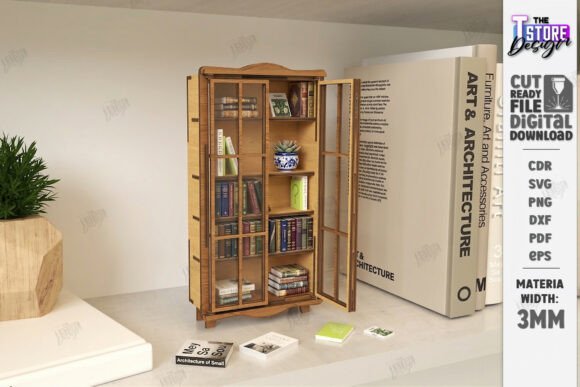
In the world of miniature woodworking and dollhouse design, the Miniature Bookshelf Design Laser Cut has become a cornerstone of precision and creativity. This technique allows hobbyists, creators, and professionals to craft intricate, scale-accurate bookcases that enhance dioramas, dollhouses, and desktop displays. With laser cutting, the process moves beyond traditional hand tools, offering a level of detail and repeatability that was once difficult to achieve.
Whether you're building a 1:12 scale dollhouse library or designing a custom book nook for a model scene, laser-cut miniature bookshelves provide a clean, consistent finish. The process involves using vector files—such as SVG, EPS, DXF, or PDF—to guide a laser cutter in engraving and cutting thin wood sheets with high accuracy. These designs can then be assembled manually, often without the need for complex joinery or additional tools.
Components and File Types in Laser-Cut Mini Bookshelf Kits
A typical Miniature Bookshelf Design Laser Cut package includes a zip archive with multiple file types to ensure compatibility across various laser cutting machines and software platforms. These usually consist of:
- SVG (Scalable Vector Graphics) – Ideal for most modern design software and compatible with many laser cutters.
- EPS (Encapsulated PostScript) – A widely supported vector format, especially in professional graphic design and print workflows.
- DXF (Drawing Exchange Format) – Commonly used in CAD environments and compatible with many industrial and hobbyist laser cutters.
- PDF (Portable Document Format) – Useful for previewing the design and maintaining layout integrity across platforms.
- PNG (Portable Network Graphics) – A raster image used for visual reference or engraving previews, especially helpful for alignment and design verification.
These file types ensure flexibility and accessibility, allowing users to work within their preferred software environments. Whether you're using a Glowforge, a CO2 laser cutter, or a desktop CNC machine, having multiple formats increases the likelihood of seamless integration into your workflow.
Understanding Laser Cutting Techniques: Red Lines for Cut, Black for Engrave
One of the critical aspects of working with laser-cut miniature bookshelf designs is understanding the color-coded instructions embedded in the vector files. In most templates, red lines indicate cutting paths, while black lines are used for engraving. This color-based layering system helps the laser machine differentiate between areas to fully cut through the material and those to simply etch or engrave.
This dual-functionality allows for both structural and decorative elements to be incorporated into a single design. For example, the framework of the bookshelf may be cut using red lines, while book spines or decorative moldings can be engraved using black lines. This level of detail enhances realism and visual appeal, making each miniature piece more engaging and lifelike.
Applications and Use Cases for Laser-Cut Miniature Bookshelves
The versatility of Miniature Bookshelf Design Laser Cut extends beyond dollhouses. These designs are widely used in various creative and professional domains:
- Dollhouse Enthusiasts: Mini bookshelves add character and realism to miniature rooms, especially in libraries, studies, and living areas.
- Model Builders: Architects and set designers use laser-cut shelves in architectural models and theater set pieces to simulate interior details.
- Educators: Teachers and museum curators incorporate these models into educational exhibits to demonstrate historical interiors or storytelling scenes.
- Hobbyists and Makers: DIY creators enjoy the challenge and satisfaction of assembling laser-cut wood pieces into finished works of art.
- Artists and Interior Designers: Some professionals use miniature libraries as conceptual tools or as part of larger art installations.
Additionally, laser-cut miniature bookshelves can be used in book nook projects—small, decorative alcoves designed to display miniature books, figurines, and lighting. These are popular in craft fairs, Etsy shops, and home decor markets, especially among those who appreciate whimsical, detailed interiors.
Materials and Thickness Considerations
When working with Miniature Bookshelf Design Laser Cut files, selecting the appropriate material is crucial. Most designs are intended for thin wood sheets such as:
- Baltic birch plywood
- Hardwood veneer
- MDF (medium-density fiberboard)
- Acrylic or acrylic-coated wood for translucent effects
Thickness typically ranges from 1/16" to 1/8", depending on the scale and desired sturdiness of the final piece. Thicker materials may be more durable but harder to cut cleanly, while thinner materials allow for finer details but may require additional support during assembly.
Some designers also experiment with layering different materials or adding paint and stains to enhance depth and realism. For example, a laser-cut wooden bookshelf can be painted white for a modern look or stained to resemble mahogany or walnut, depending on the desired aesthetic.
Advantages of Using Laser-Cut Miniature Bookshelf Templates
There are several compelling reasons why the Miniature Bookshelf Design Laser Cut method has gained popularity among creators:
- Precision and Consistency: Laser cutting ensures each piece is identical, which is especially important for symmetrical or repeating elements like bookshelf slats or moldings.
- Time Efficiency: Compared to hand-cutting or carving, laser cutting drastically reduces production time and minimizes material waste.
- Scalability: Digital files can be resized to fit different scales, from 1:12 to 1:24 or even custom proportions, without compromising detail.
- Customization: Many designers offer editable files, allowing users to tweak dimensions, add engravings, or integrate personal motifs into the design.
- Cost-Effectiveness: Once a design is purchased, it can be reused multiple times, making it a budget-friendly option for creators producing multiple copies.
For those new to laser cutting, starting with pre-designed templates offers a low barrier to entry. It allows experimentation with materials, finishes, and assembly techniques without needing advanced design skills.
Compatibility and Software Integration
Ensuring that your laser cutting machine and software are compatible with the file types included in your Miniature Bookshelf Design Laser Cut package is essential for a smooth workflow. Popular software platforms include:
- Adobe Illustrator – Ideal for editing vector files and preparing them for laser cutting.
- Inkscape – A free, open-source alternative that supports SVG and other vector formats.
- CorelDRAW – Commonly used in laser cutting environments, especially for commercial applications.
- AutoCAD – Preferred for technical designs and precise dimensional adjustments.
- LightBurn – A powerful, user-friendly tool specifically designed for laser cutting and engraving workflows.
Before purchasing or downloading a design, it's advisable to verify compatibility with your specific machine and software. Some platforms may require minor adjustments to layer settings or line colors to properly interpret cutting and engraving commands.
Designing and Customizing Your Own Miniature Bookshelf
For advanced users or those with design experience, customizing a Miniature Bookshelf Design Laser Cut file opens up new creative possibilities. You can:
- Add personalized engravings like names or quotes on the shelf frames.
- Adjust the number of shelves or spacing to fit unique room layouts.
- Incorporate lighting elements or hidden compartments for interactive features.
- Experiment with mixed materials, such as combining wood with acrylic or metal accents.
Many laser-cut design sellers also offer customization services, allowing you to request specific changes or file formats. This is particularly useful for commercial creators or educators who need tailored solutions for specific projects.
Community and Support in the Miniature Woodworking Space
The miniature woodworking and laser-cutting community is vibrant and supportive. Online forums, social media groups, and marketplaces like Etsy and Gumroad provide platforms for creators to share their work, exchange tips, and offer feedback. Engaging with these communities can enhance your skills, inspire new projects, and help troubleshoot any issues you may encounter during the design or cutting process.
If you have questions about a particular Miniature Bookshelf Design Laser Cut file, most sellers are responsive and willing to assist. Whether you need a different file type, a color variation of the PNG image, or clarification on assembly steps, reaching out directly can provide valuable support.
Conclusion: Elevating Miniature Design with Laser-Cut Precision
The Miniature Bookshelf Design Laser Cut represents a fusion of traditional craftsmanship and modern technology. It empowers creators to produce detailed, scalable, and repeatable miniature furniture with minimal effort. Whether you're a hobbyist building your first dollhouse library or a professional model maker crafting intricate dioramas, laser-cut bookshelves offer a reliable and elegant solution.
By leveraging digital files, color-coded cutting instructions, and versatile materials, this method continues to redefine what's possible in miniature design. As laser cutting technology becomes more accessible, we can expect even more innovative uses of this technique across creative and professional fields alike.