3D Question Mark Icon Design: A Visual Tool for Inquiry and Problem Solving
In today’s visually driven world, the way we communicate concepts matters more than ever. The 3D Question Mark Icon Design has emerged as a powerful visual metaphor for curiosity, uncertainty, and exploration. Whether used in digital interfaces, branding materials, or print media, this design element conveys the idea of inquiry and problem solving in a way that’s both intuitive and aesthetically engaging.
What Makes a 3D Question Mark Icon Stand Out?
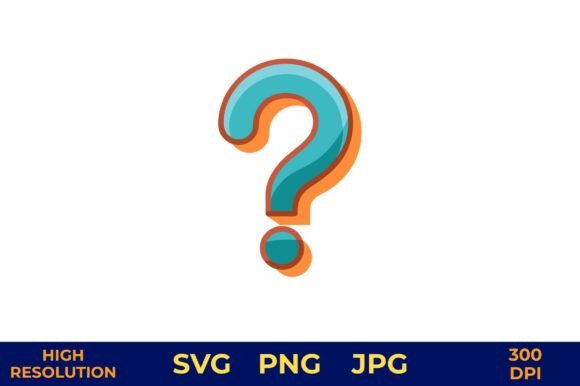
Unlike flat or 2D icons, a Colorful 3D Question Mark Vector Illustration adds depth, realism, and dimensionality. This makes it more eye-catching and versatile for a wide range of applications. The use of vibrant colors and realistic lighting enhances its appeal, making it suitable for both professional and creative contexts. The icon’s three-dimensional quality allows it to stand out in presentations, marketing materials, and user interfaces where clarity and visual interest are essential.
Why the 3D Question Mark Icon Resonates with Modern Audiences
As digital communication continues to evolve, users expect visuals that are not only informative but also emotionally engaging. The 3D Question Mark Icon Design taps into this expectation by blending functionality with visual appeal. It reflects the growing trend of using symbolic imagery to guide user interaction and convey complex ideas quickly. Whether in app design, educational content, or branding, this icon helps bridge the gap between abstract concepts and tangible understanding.
Applications Across Industries and Use Cases
One of the most compelling aspects of the Colorful 3D Question Mark Vector Illustration is its versatility. Designers and creators are finding innovative ways to integrate this visual into their work. Here are some of the most common applications:
- Social media design: Enhance posts related to problem-solving, customer support, or Q&A sessions.
- Printable kits: Ideal for planners, scrapbooks, and creative templates that encourage reflection and exploration.
- Branding and marketing: Used in campaigns that emphasize innovation, curiosity, or customer engagement.
- Wedding and event planning: Perfect for interactive elements like “Ask the Planner” or “Guest Q&A” cards.
- Educational materials: Helps illustrate lessons on critical thinking, research, and decision-making.
From Concept to Creation: How 3D Icons Are Designed
The process of creating a 3D Question Mark Icon Design involves more than just modeling a question mark in a 3D software. It requires thoughtful attention to lighting, texture, and color to ensure the final image communicates the intended message effectively. Designers often start with a wireframe, then add surface details and shading to create depth. The result is a visually rich, scalable vector illustration that can be used across both digital and physical media without loss of quality.
Practical Benefits of Using High-Quality Vector Files
When you download and print your own 3D question mark icon, you gain access to high-resolution files such as SVG, PNG, and JPG, all with transparent backgrounds. These formats offer flexibility for scaling and editing, making them ideal for both small-scale personal projects and large commercial applications. The 4200px x 4200px size at 300 dpi ensures crisp, clear reproduction whether you're printing a poster or embedding the icon into a digital interface.
Integrating the Icon into Everyday Design Workflows
For professionals like marketers, educators, and content creators, incorporating a Colorful 3D Question Mark Vector Illustration into their workflow can streamline visual storytelling. For example, a teacher might use the icon in presentation slides to highlight areas for student inquiry. A UX designer might place it in an app’s help section to signal where users can find answers. And a small business owner could feature it on promotional materials to invite customer questions and engagement.
Real-World Examples of Impactful Use
Let’s look at a few real-world scenarios where this design has made a difference:
- Event planning: A bridal shower planner used the 3D question mark icon on a “Frequently Asked Questions” card, making it both informative and visually appealing.
- Online courses: An e-learning platform included the icon next to interactive quizzes, helping learners identify areas where they could explore further.
- Brand identity: A startup specializing in problem-solving tools incorporated the icon into its logo and website design, reinforcing its core mission visually.
Designing for the Future: Where Is This Trend Headed?
As digital design becomes more immersive and interactive, the demand for high-quality visual assets like the 3D Question Mark Icon Design is expected to grow. With the rise of augmented reality, AI-driven interfaces, and personalized content, icons that communicate clearly and emotionally will become even more important. Designers who understand how to leverage these elements will be better positioned to create engaging, user-friendly experiences across platforms.
How to Choose the Right Format for Your Needs
When you download and print your own version of the icon, it’s important to consider which format will best suit your project:
- SVG: Best for digital use, especially on websites and apps, as it scales without losing quality.
- PNG: Ideal for both digital and print, especially when a transparent background is needed.
- JPG: Suitable for print projects where file size and compatibility are key considerations.
All formats come with transparent backgrounds, giving you the flexibility to layer them over different colors and textures without visual interference.
Final Thoughts: A Simple Icon with Big Impact
The 3D Question Mark Icon Design may seem like a small detail, but its ability to convey curiosity, uncertainty, and exploration makes it a valuable asset in both digital and physical design. Whether you’re a professional designer, educator, or DIY enthusiast, having access to a high-quality, versatile icon like this can elevate your projects and enhance how your audience interacts with your content. As visual communication continues to evolve, this icon is more than just a design trend—it’s a practical tool for meaningful engagement.